

The project „Return of the Lynx to Northwestern Poland” that we are implementing has been ongoing for several years, and the lynxes we release pair up during the mating season, allowing us to observe mothers with young every year.
In order to continue monitoring lynxes in the field and to have knowledge about the territories they occupy, which individuals pair up, the effectiveness of reproduction, and the development of the population, we replace collars on the released lynxes whenever possible. A greater challenge for us is monitoring lynxes born in the wild, so we place collars on wild individuals, and only through observing their lives after leaving their mothers can we learn about the effects of the implemented project.
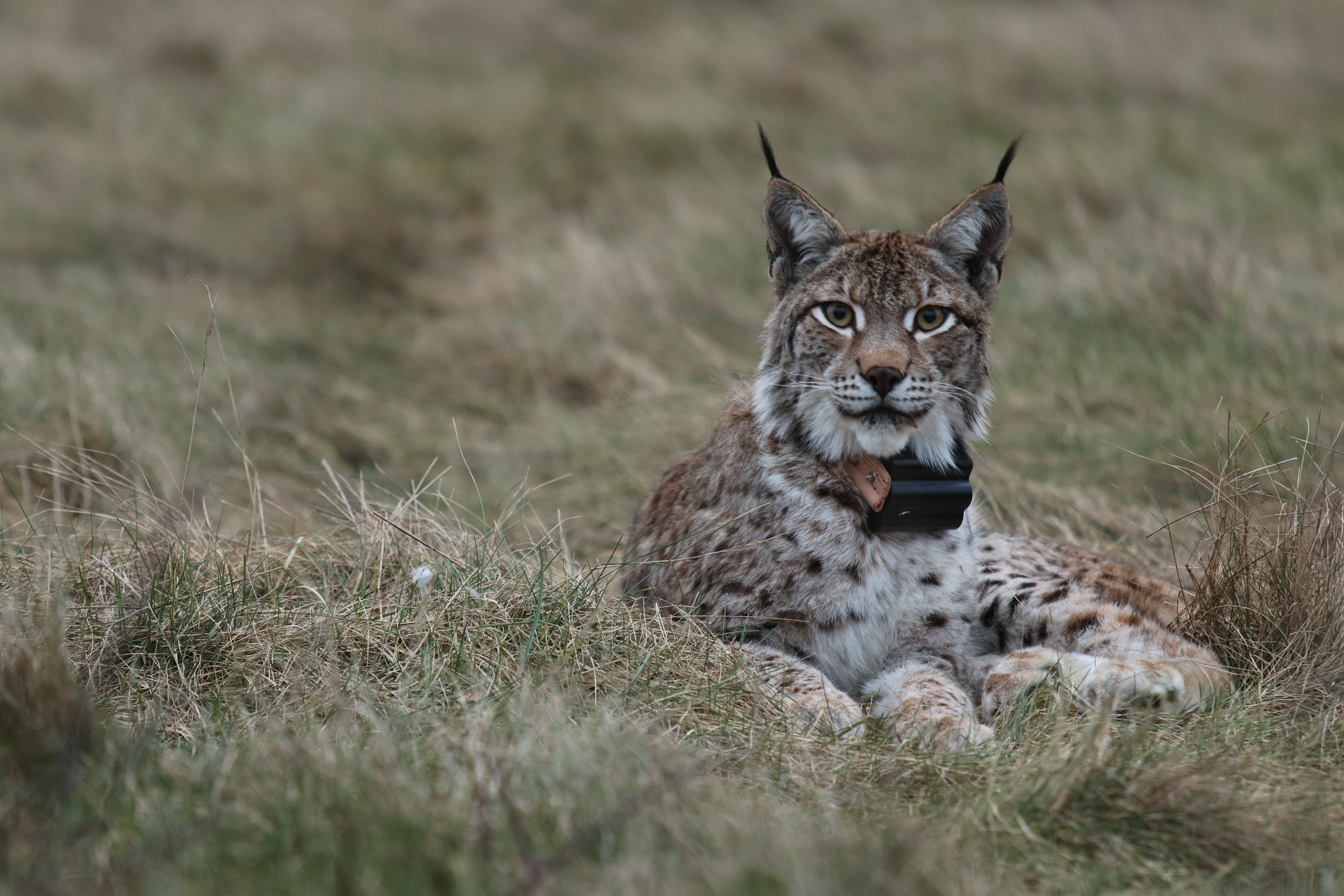
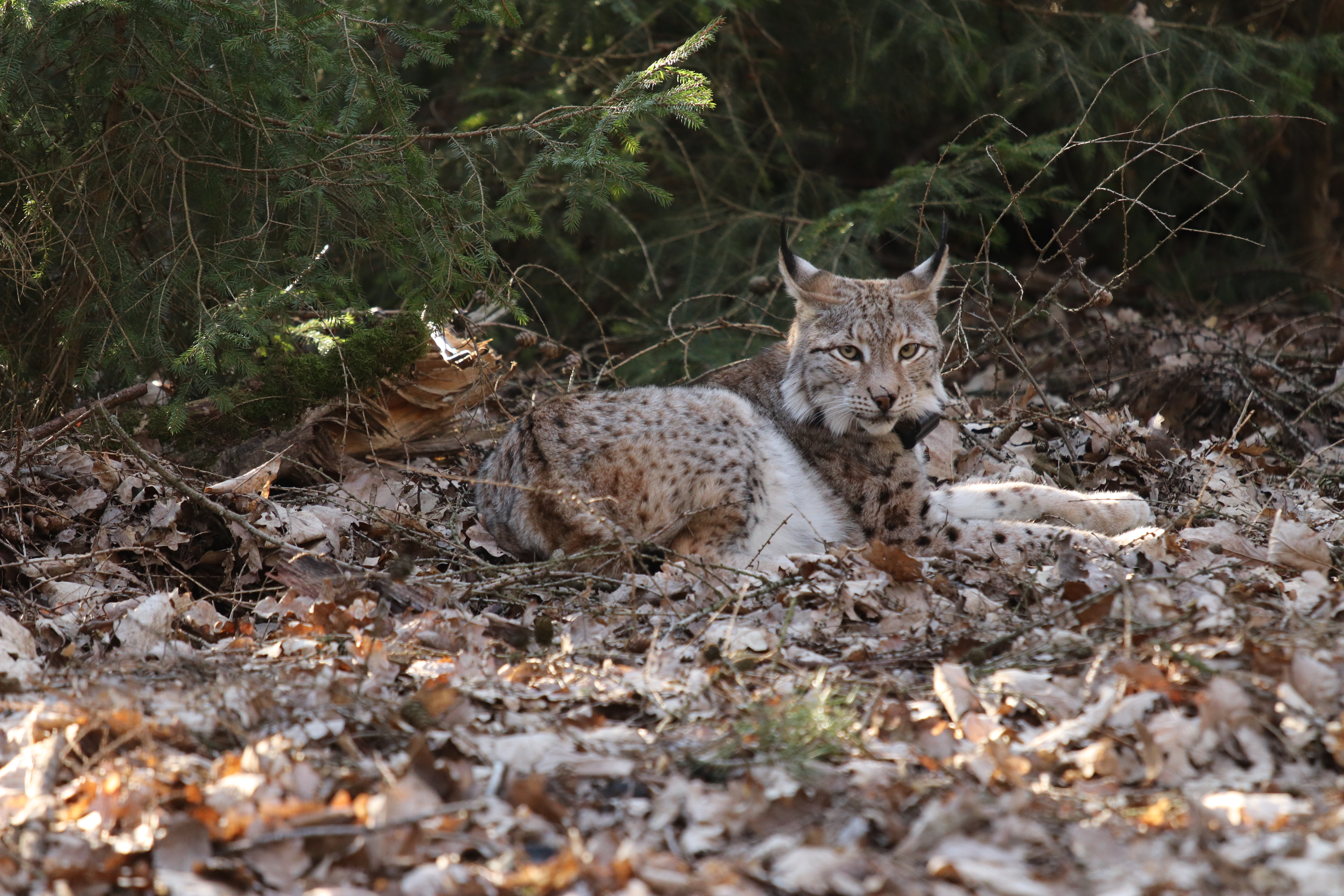
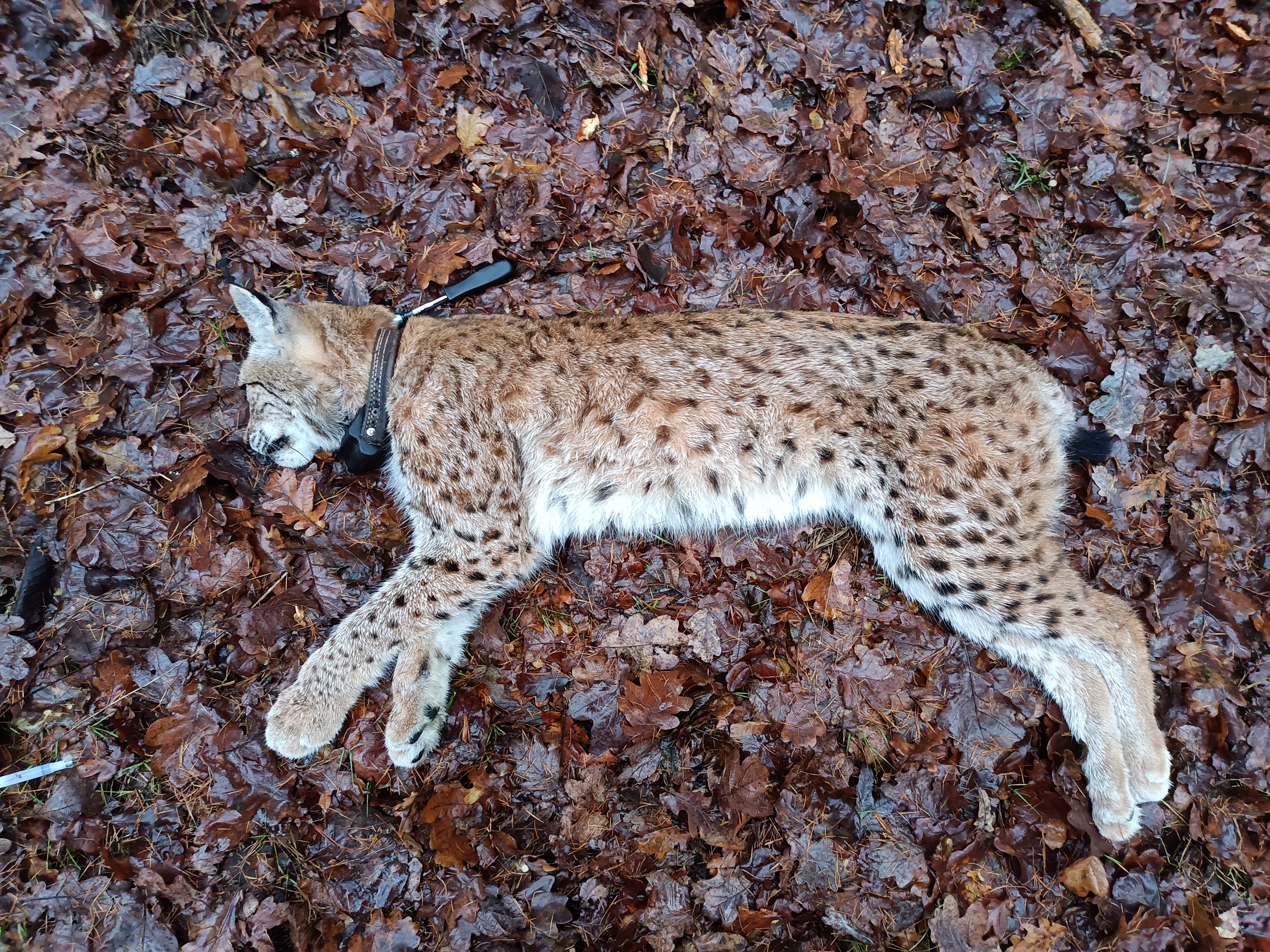
Although seeing a lynx with a collar is not very pleasant, please believe us that it does not interfere with its functioning (hunting or raising young). It weighs only 300 grams.
So far, we have managed to place collars on 7 lynxes born in the wild and replace as many as 30 collars!
Thanks to the data obtained from the telemetry collars, a report has been developed as part of the project, which discusses the collected data and includes the methodology for the reintroduction of the species (the report is available on the website rysie.org in the Library -> Documents section under the name Spatial analysis of GPS data of lynxes reintroduced as part of the project POIS.02.04.00-00-0143/16 „Return of the Lynx to Northwestern Poland” along with guidelines for the methodology of lynx reintroduction).
Moreover, we know exactly where the lynxes from specific breeding centers are located, and we can avoid inbreeding by releasing individuals from the same centers in completely different locations. This is very important for genetic diversity.
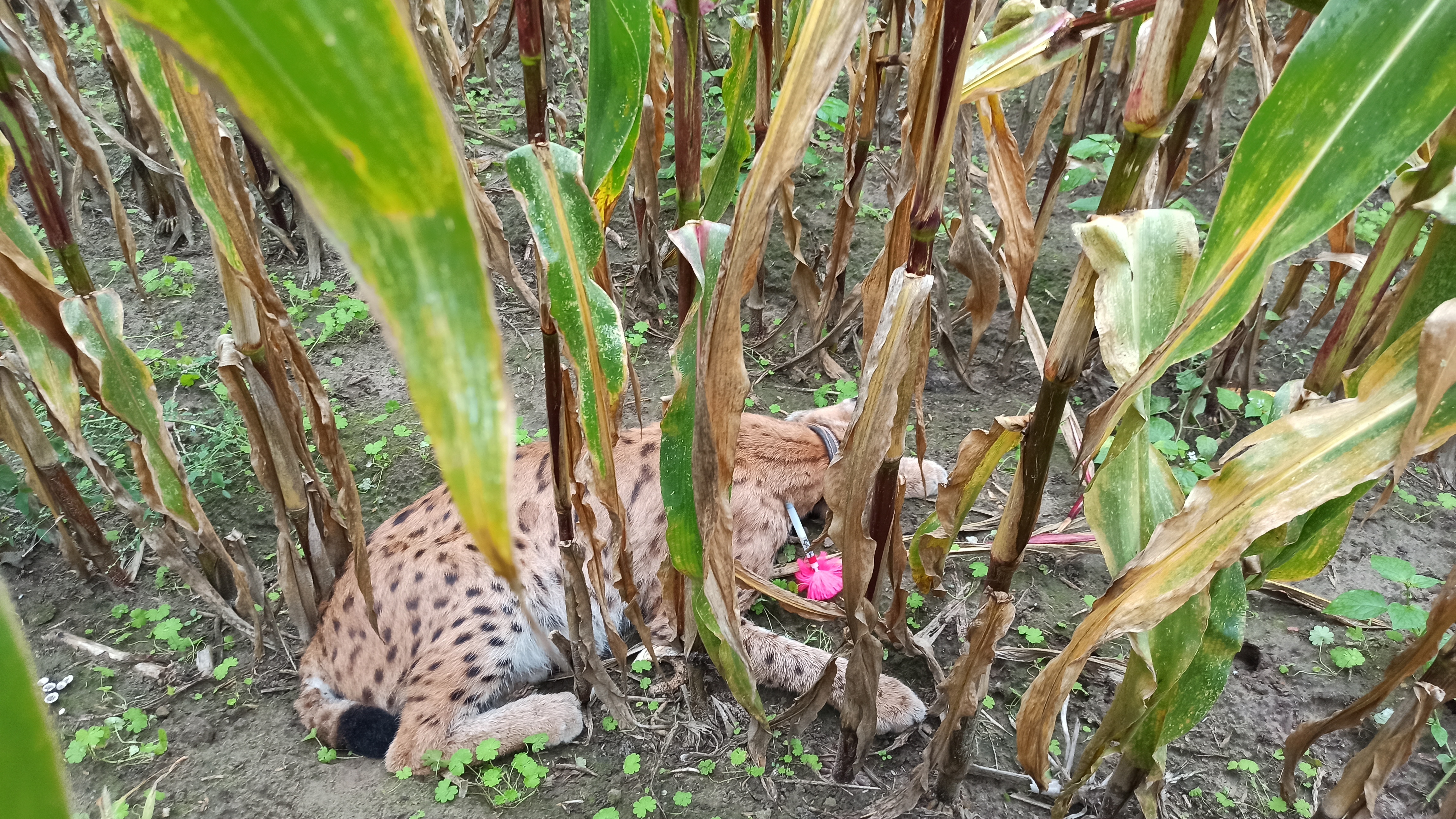
During the replacement or installation of collars, we have the opportunity to check the health status of a given lynx (e.g., whether there are visible signs of mange), weigh it, and administer vaccines.
Below we present a few photos from the collaring and replacement process.
 Polish
  English