


We are pleased to inform you that on March 31, 2023, after 6 years, we completed the implementation of the project POIS.02.04.00-00-0143/16 „Return of the lynx to northwestern Poland,” co-financed by the Cohesion Fund under the Operational Program Infrastructure and Environment 2014-2020 (project co-financing agreement dated March 30, 2017, no. POIS.02.04.00-00-143/16-00 with annexes).
The main goal of the project was the reintroduction of the lynx in northwestern Poland and ensuring appropriate conditions for the development of the population by:
– recreating a breeding population of lowland lynx in northwestern Poland based on the use of lynx born in captivity,
– ensuring lasting social acceptance for the reestablishing lynx population through the operation of the Intervention Emergency Service (preventing conflicts and disseminating information about the lynx),
– caring for the genetic diversity of released lynx.
When starting the project, we adopted the following assumptions:
– introducing at least 20 lynx individuals into the natural environment and creating a breeding base for the needs of introducing lowland lynx (also in other regions of Poland and Europe).
– creating a breeding subpopulation of lynx in northwestern Poland.
– building social acceptance for the permanent presence of lynx in northwestern Poland.
– creating an institutional base for lynx protection (large predators) in Jabłonowo based on the infrastructure of the Dzika Zagroda (Intervention Emergency Service)
The first project activities began in 2017 with the preparation of a system of enclosures that allowed for the adaptation of lynx born in captivity to life in the wild. The lynx in the project underwent a three-stage process before being released into the wild:
- Quarantine after being brought from the breeding center (enclosures in Jabłonowo)
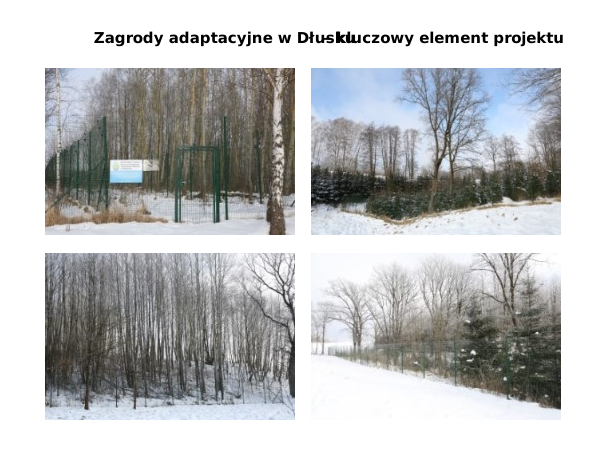
- Adaptation to life in the wild, switching to natural food, awakening hunting instincts (adaptive enclosures in Dłusko)
- Aclimatization at the release site (release enclosures)
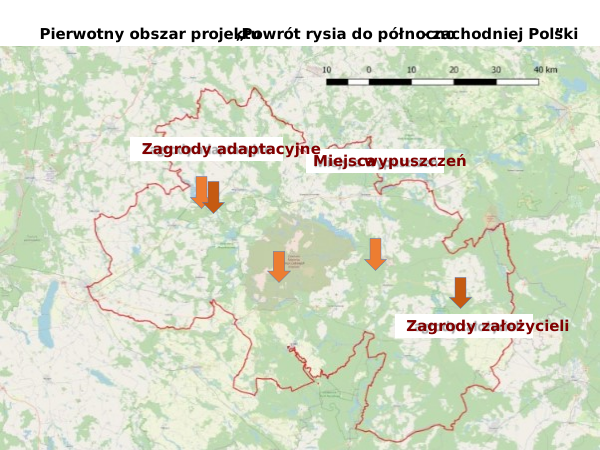
During the project, a system of enclosures was created, which served to prepare and release lynx into the wild:
- 4 enclosures for founding pairs in the Dzika Zagroda in Jabłonowo with areas of 0.15-0.20 ha,
- 6 adaptive enclosures in Dłusko with an area of 0.5 – 0.8 ha located within 90 ha of fenced pastures, preventing access to people from the outside
- 2 release enclosures in forest areas in the Drawsko and Mirosławiec Forest Districts
From 2017 to 2022, 69 lynx were brought from zoos and breeding centers in Poland, Germany, Austria, Estonia, and Latvia for the project. Small, mainly educational enclosures throughout Europe have surplus lynx that can be used for reintroduction. The condition for admitting a given individual to the project and releasing it into the wild was genetic testing that confirmed the lynx’s belonging to the Baltic population.
Genetically tested lynx admitted to the project, after quarantine and acclimatization, during which they were closely monitored using camera traps, video cameras, and direct observations during feeding, were qualified for further actions. The adaptation period varied, tailored to the behavior of each animal. The project included lynx that required a short 1-2 week training before release, while others required more work and a longer stay in the semi-natural environment of adaptive enclosures. The hunting instinct of felids is very strong, so there is no need to teach lynx how to hunt. The awakening of instinct and the release of appropriate hunting behaviors occurred during the transition of lynx to natural food, during the provision of whole prey, mainly deer from road accidents. All lynx during adaptation were fed exclusively with meat from their natural prey. The main task that required the most time and effort from caretakers was to instill fear of humans in lynx and develop escape reactions and avoidance of people.
Lynx designated for release were transported to release enclosures. For several days, they were fed in closed enclosures, after which the enclosures were opened. Feeding continued until the lynx stopped eating the provided meat. The animals left the enclosures and began to hunt independently, usually in the first week after leaving the enclosures.
All lynx released into the wild wore GPS/GPRS/VHF telemetry collars. The collars are designed and made by ZTP. The collar weighs about 280 g, the GPS module works for about 18 months, while the VHF transmitter works for up to 4 years, which helps in exchanging the collar for a new one.
Locations are measured every 3 hours, and data is sent to the server every 12 hours. Tracking lynx activity in real-time is an essential tool for assessing the effects of reintroduction and increasing the safety of the animals.
From 2019 to 2022, 69 lynx were released into the wild.
| 2019 | 2020 | 2021 | 2022 | Total | |
| Lynx released into the wild | 26 | 24 | 12 | 7 | 69 |
| Females | 9 | 8 | 9 | 1 | 27 |
| Males | 17 | 16 | 3 | 6 | 40 |
| Females entering reproduction | 1 | 3 | 6 | 10 | – |
| Number of kittens born in the wild | 2 | 6 | 17 | 25 | 50 |
In nature, 36 of the 69 released lynx are still alive. It is certain that 11 released females and 14 males have died, 2 females and 6 males are probably dead, and 3 lynx (1 female, 2 males) have migrated to Germany and the Czech Republic. The main causes of lynx death are scabies infection and traffic accidents.
In the case of scabies, it is possible to save some infected animals. From 2020 to 2023, 16 infected individuals were captured from the wild, of which 7 were successfully treated and released back into the wild (one individual is currently undergoing treatment).
Considering the number of young born, their survival, and the reproduction of females already born in the wild, we estimate the population size at at least 70 individuals.
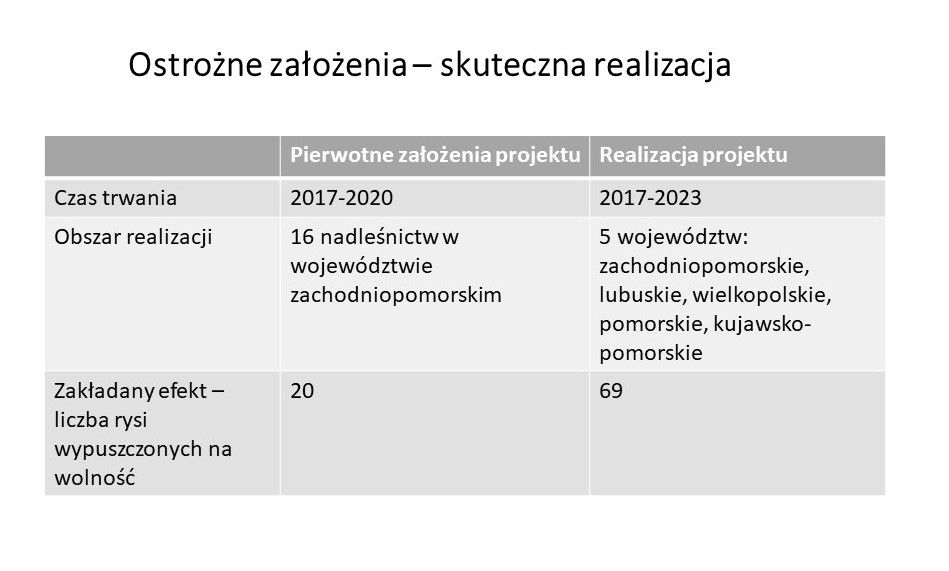
Photo: R. Czerniawska/West Pomeranian Nature Society
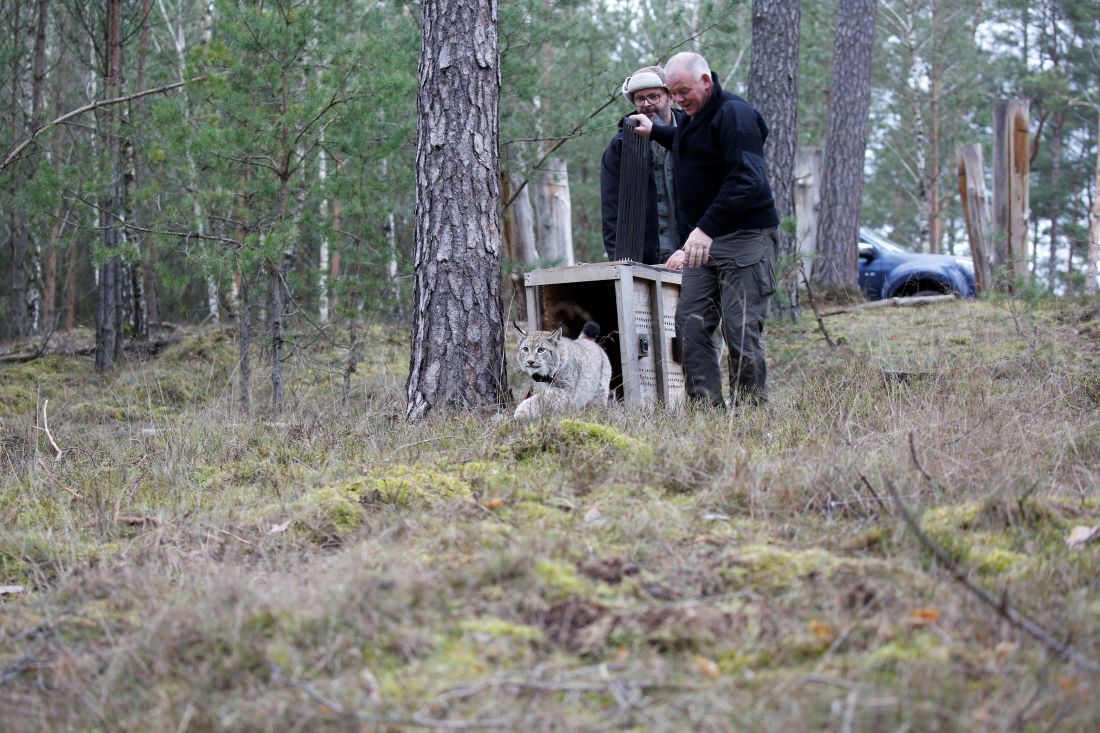
Photo: R. Czerniawska/West Pomeranian Nature Society
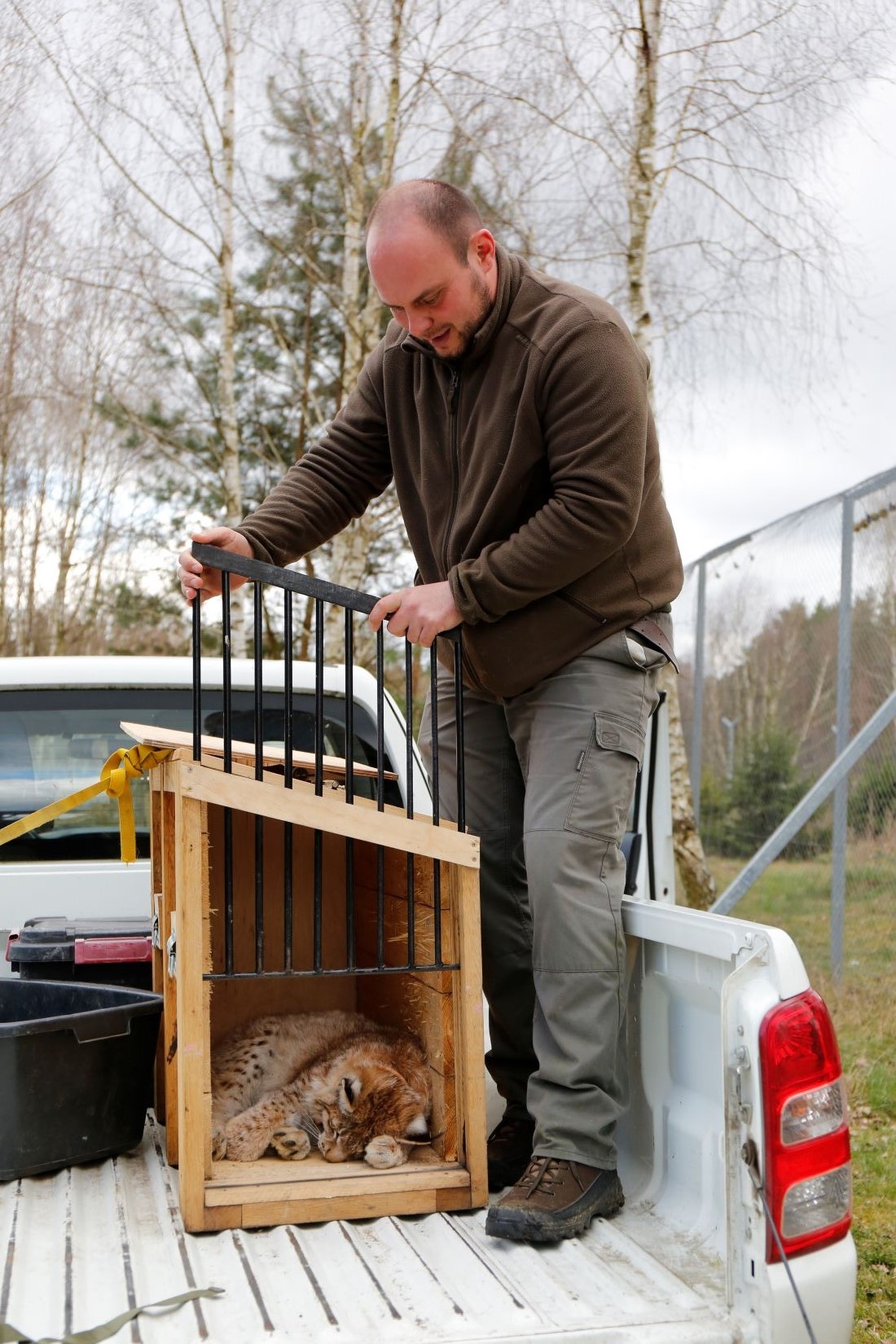
Photo: R. Czerniawska/West Pomeranian Nature Society
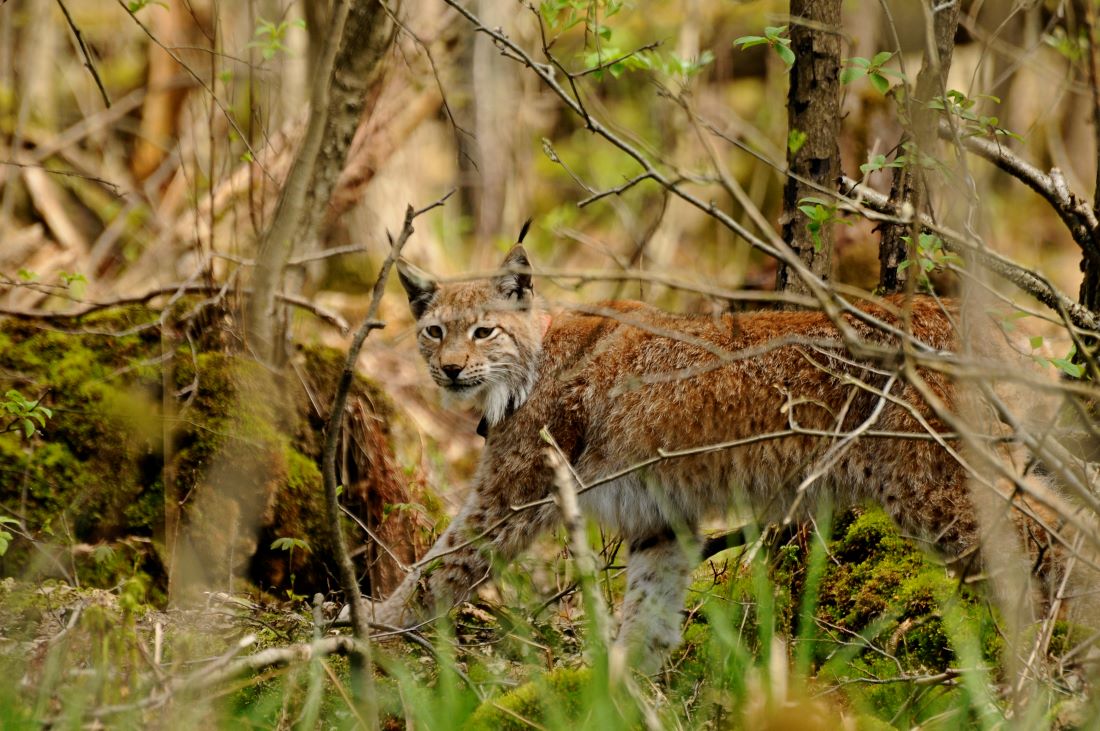
Photo: R. Czerniawska/West Pomeranian Nature Society
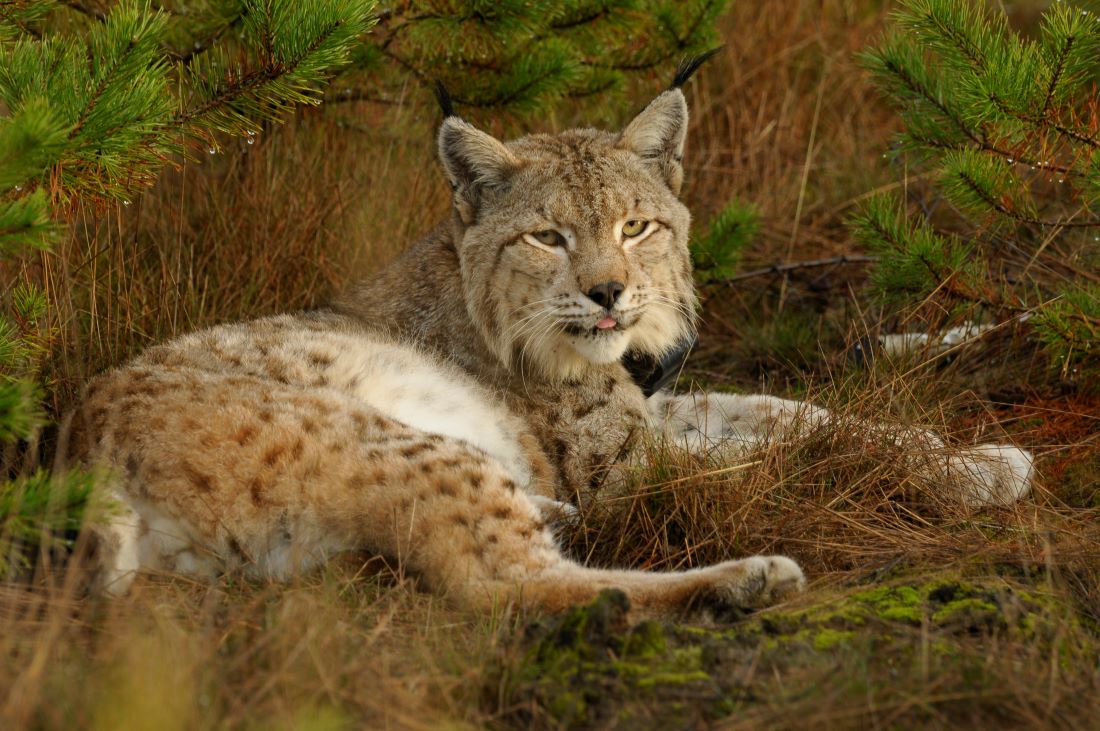
Photo: R. Czerniawska/West Pomeranian Nature Society
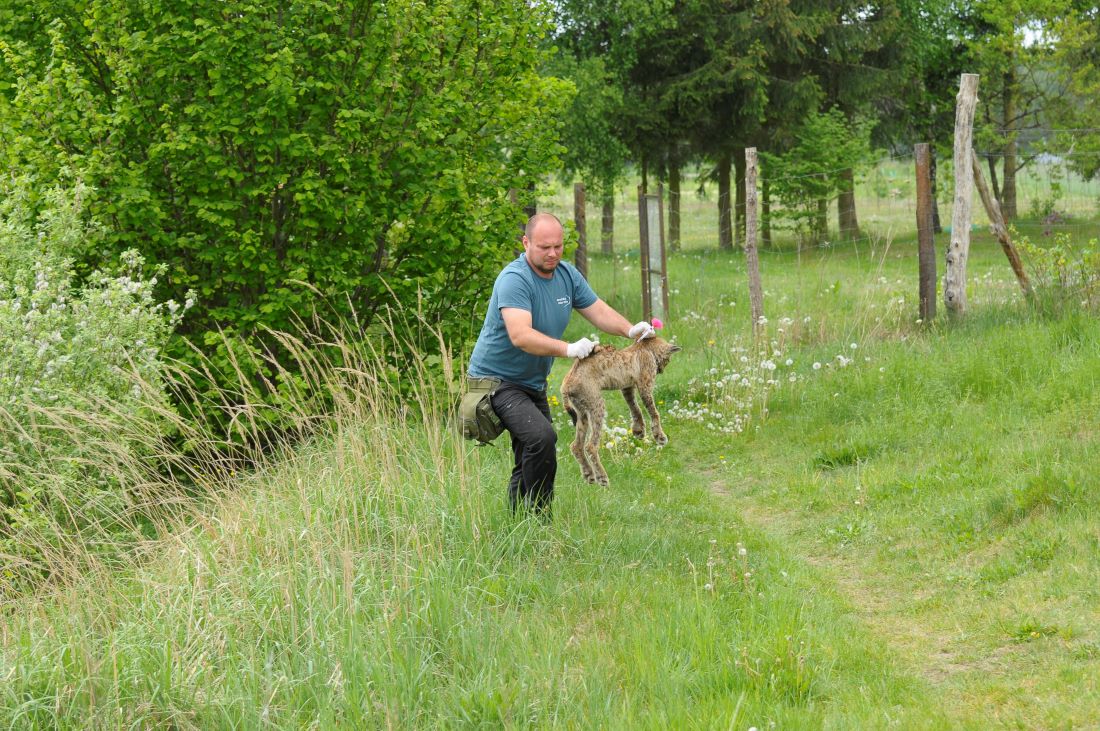
Photo: R. Czerniawska/West Pomeranian Nature Society
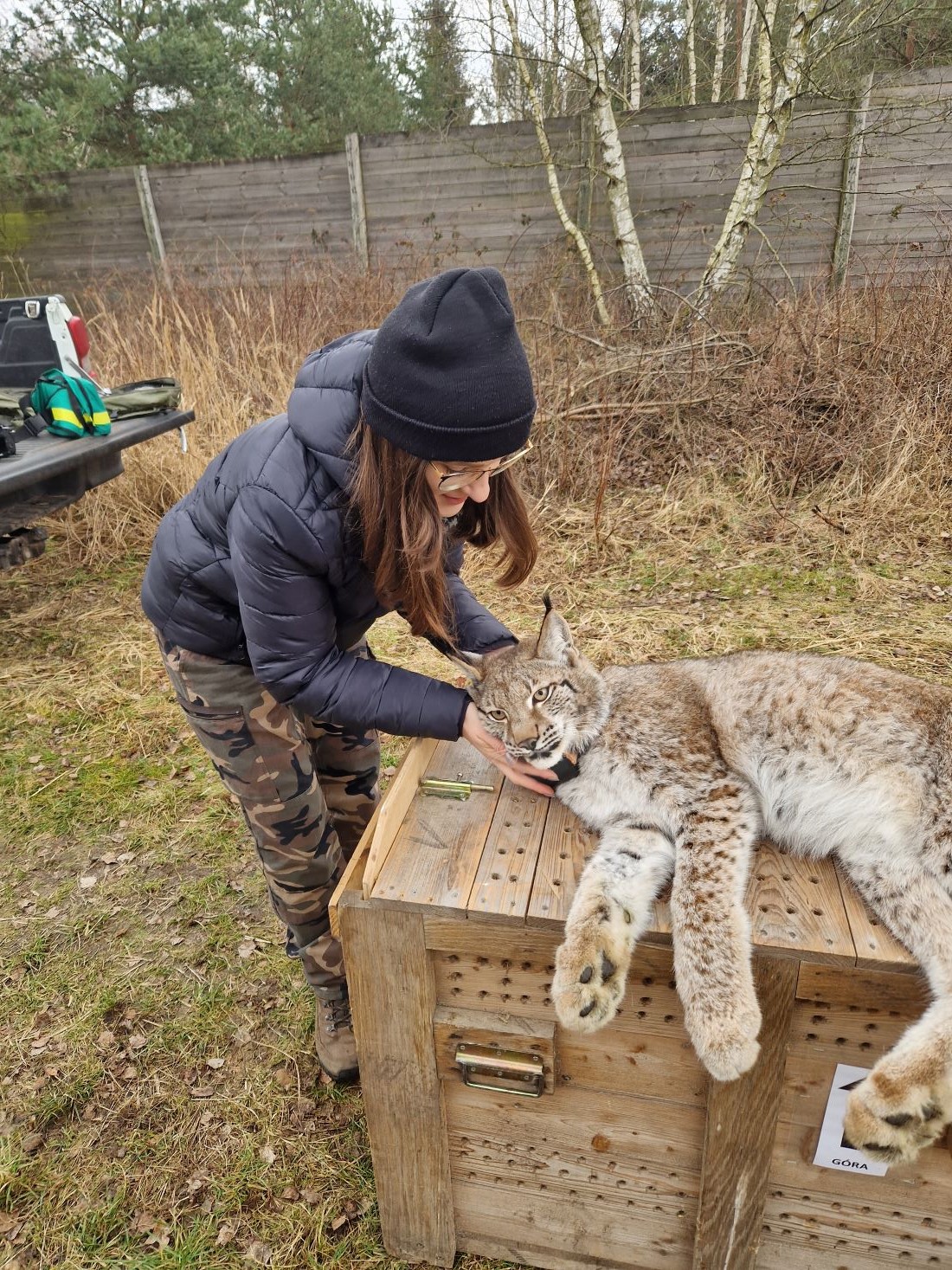
Photo: Ł. Strejk/West Pomeranian Nature Society
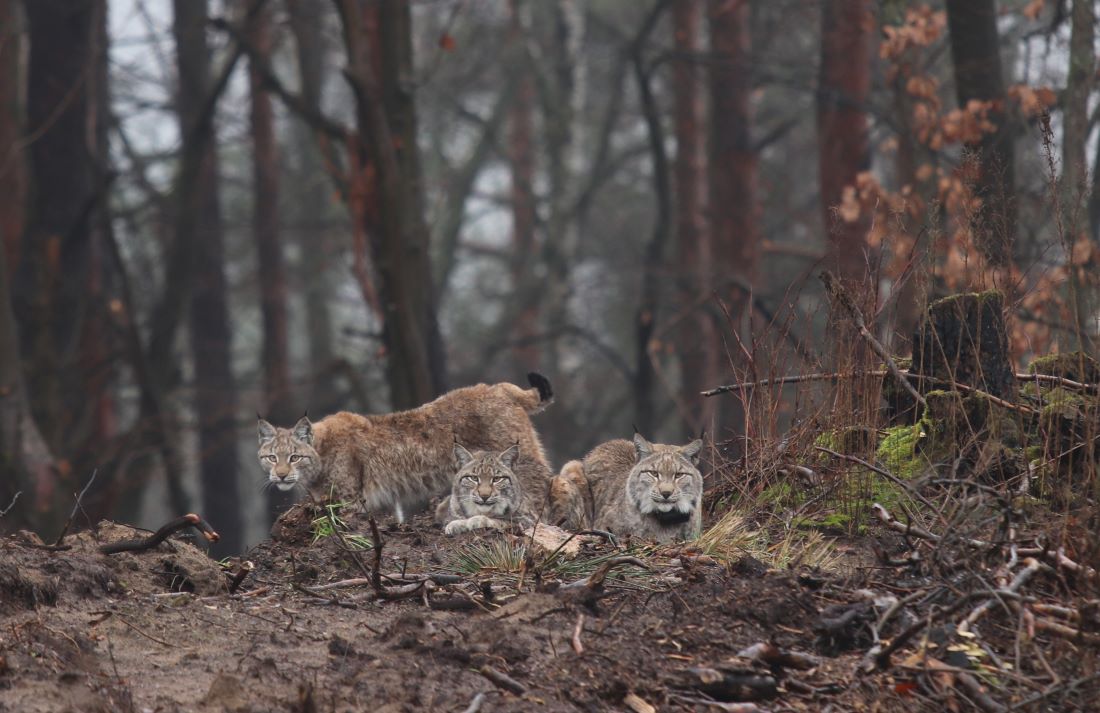
Photo: M. Grzegorzek/West Pomeranian Nature Society
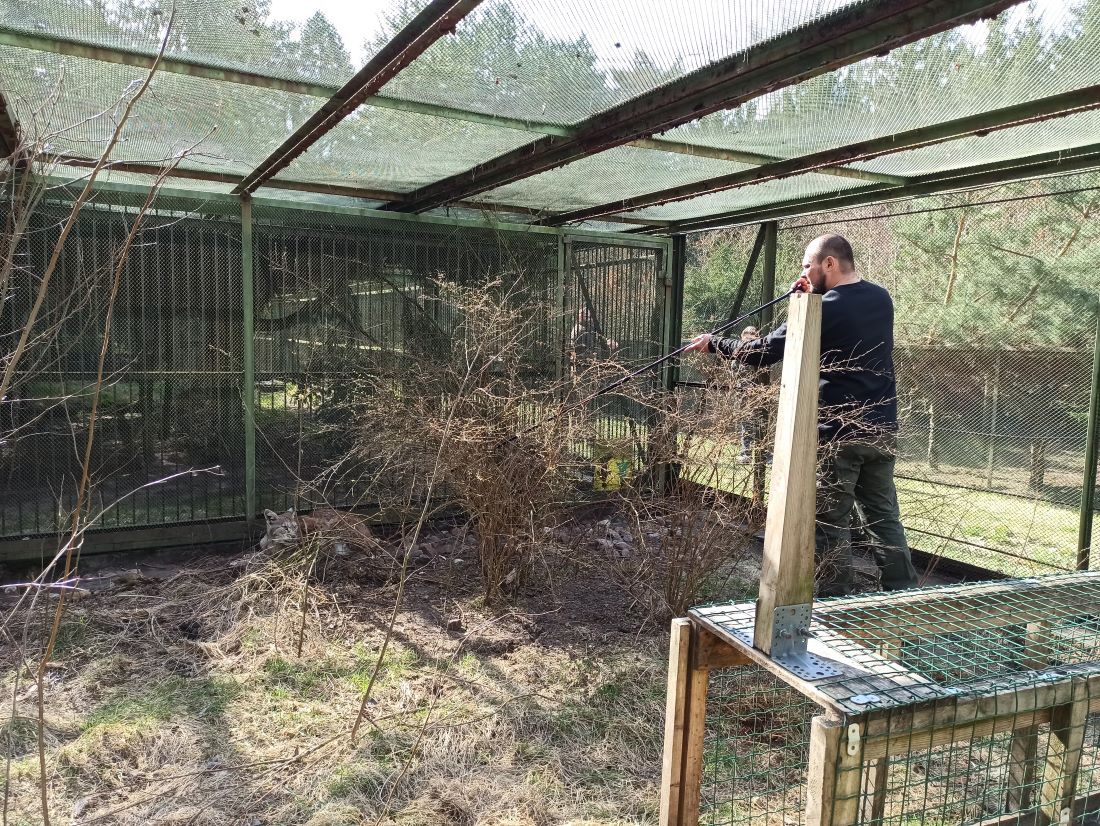
Photo: R. Czerniawska/West Pomeranian Nature Society
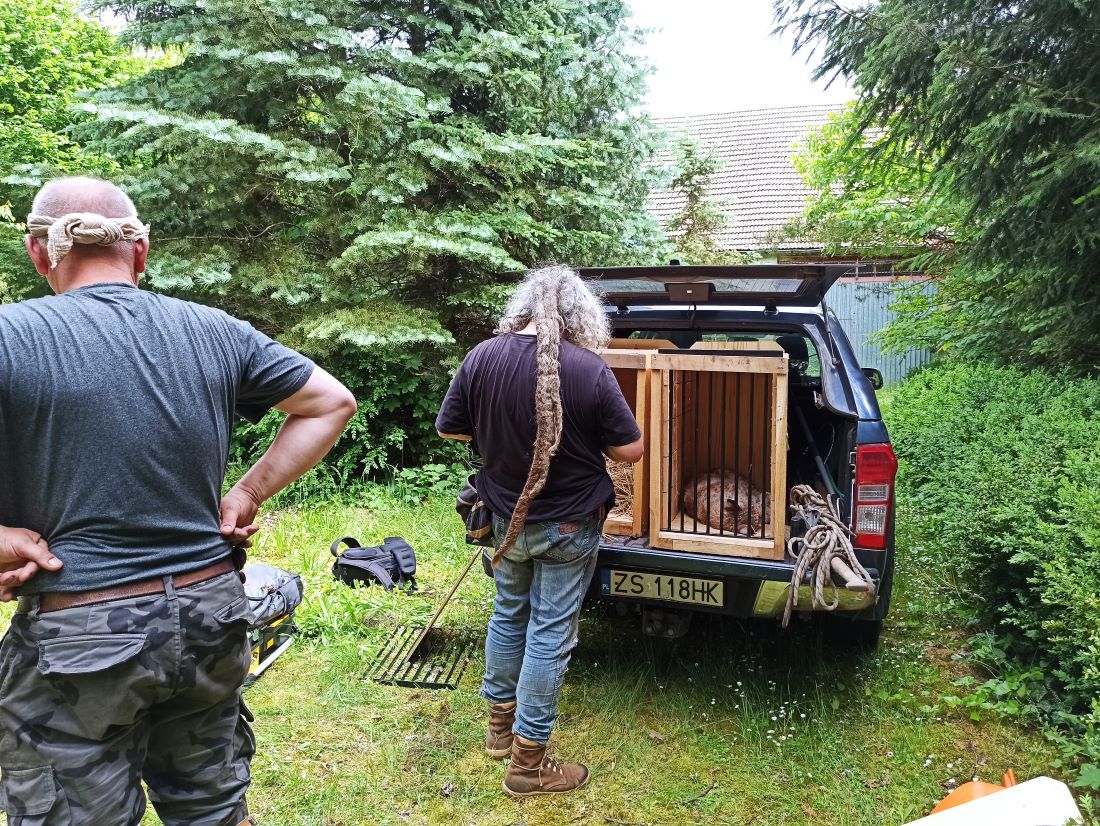
Photo: R. Czerniawska/West Pomeranian Nature Society
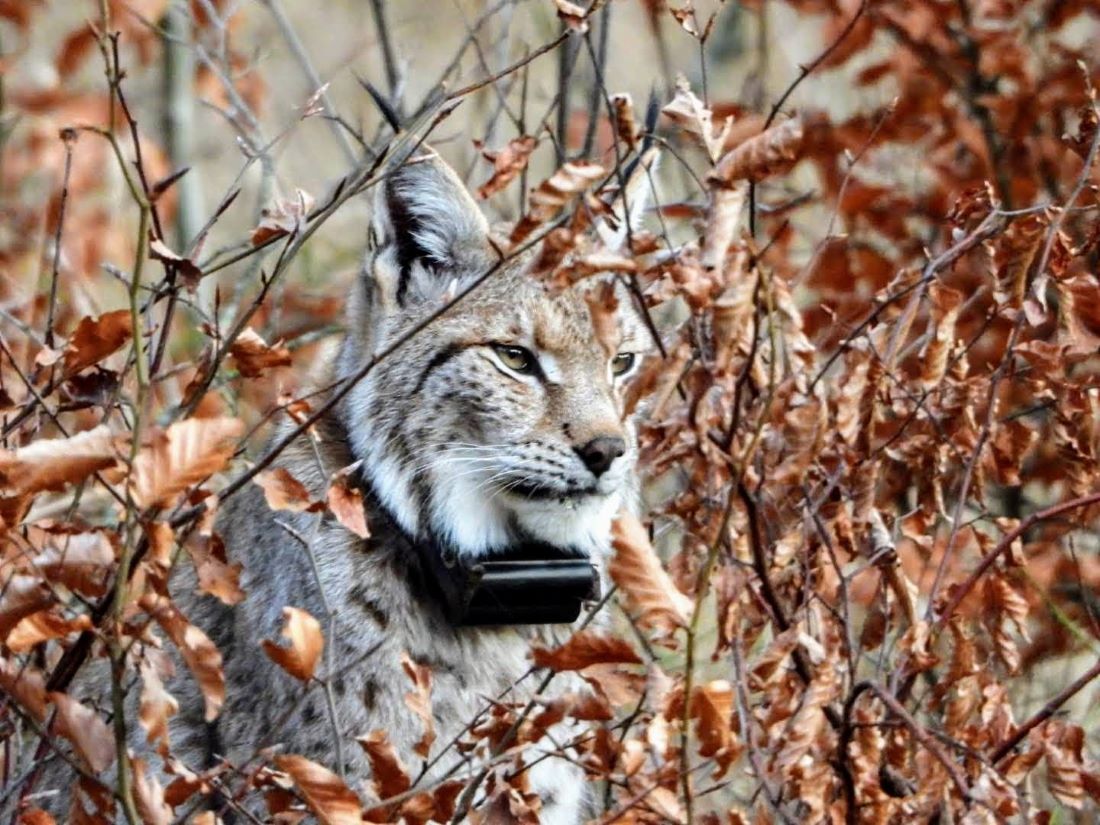
Photo: Medard Bajlak
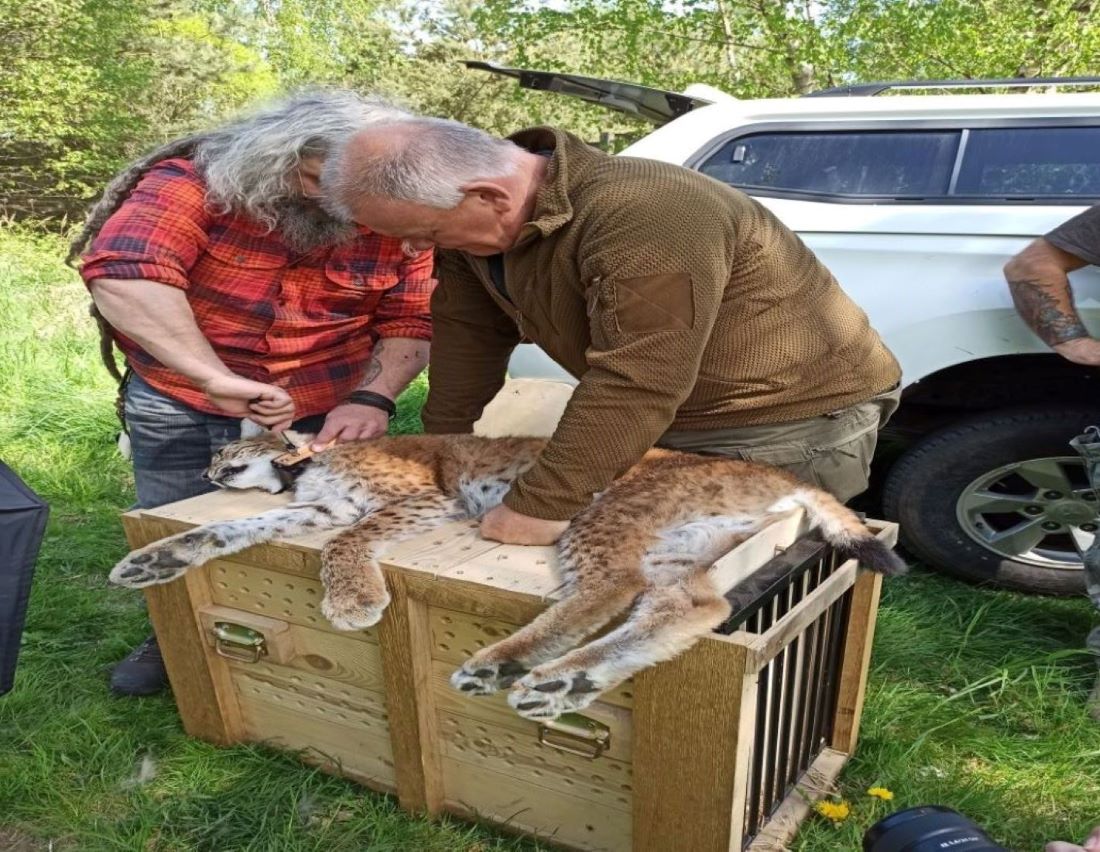
Photo: R. Czerniawska/West Pomeranian Nature Society
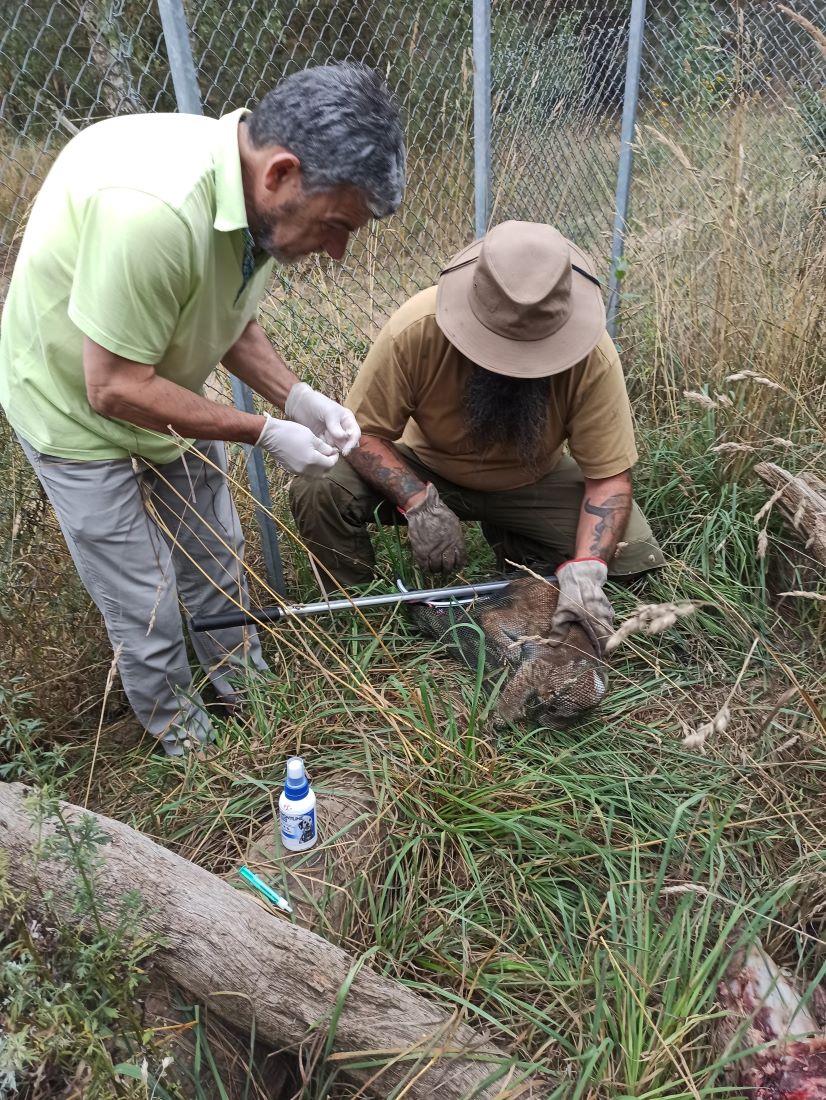
Photo: R. Czerniawska/West Pomeranian Nature Society
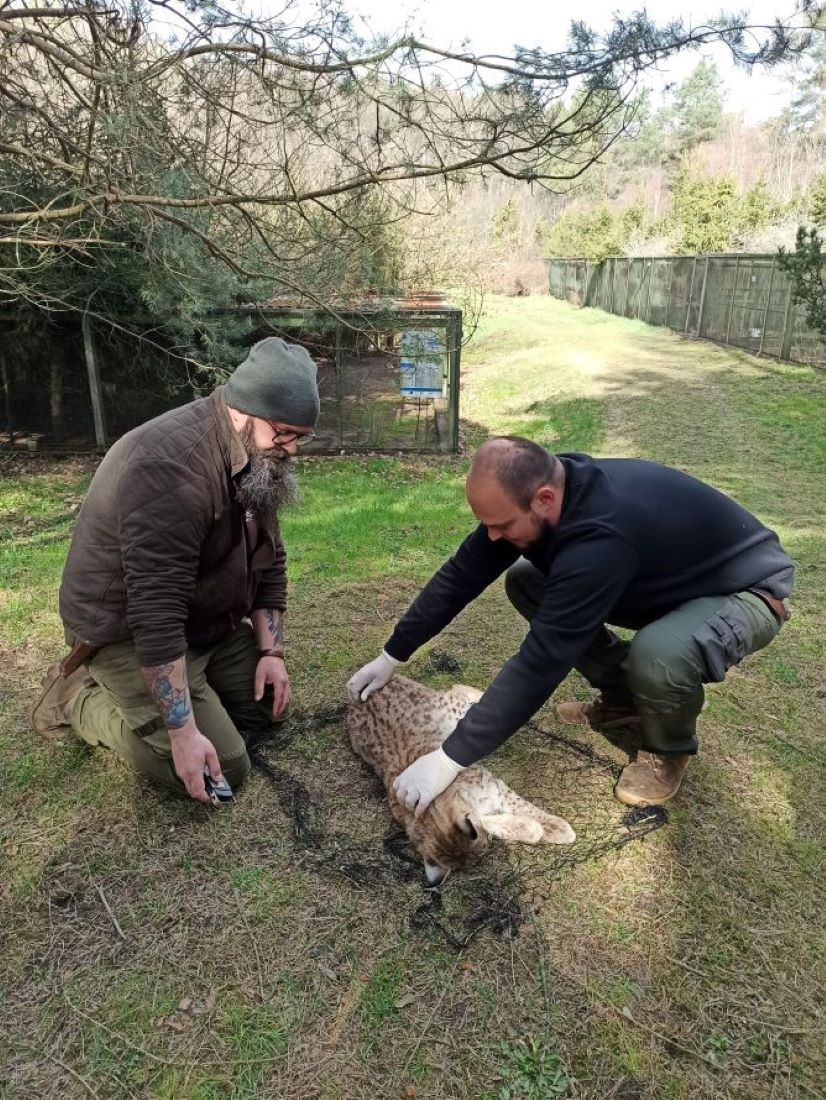
Photo: R. Czerniawska/West Pomeranian Nature Society
 Polish
  English