


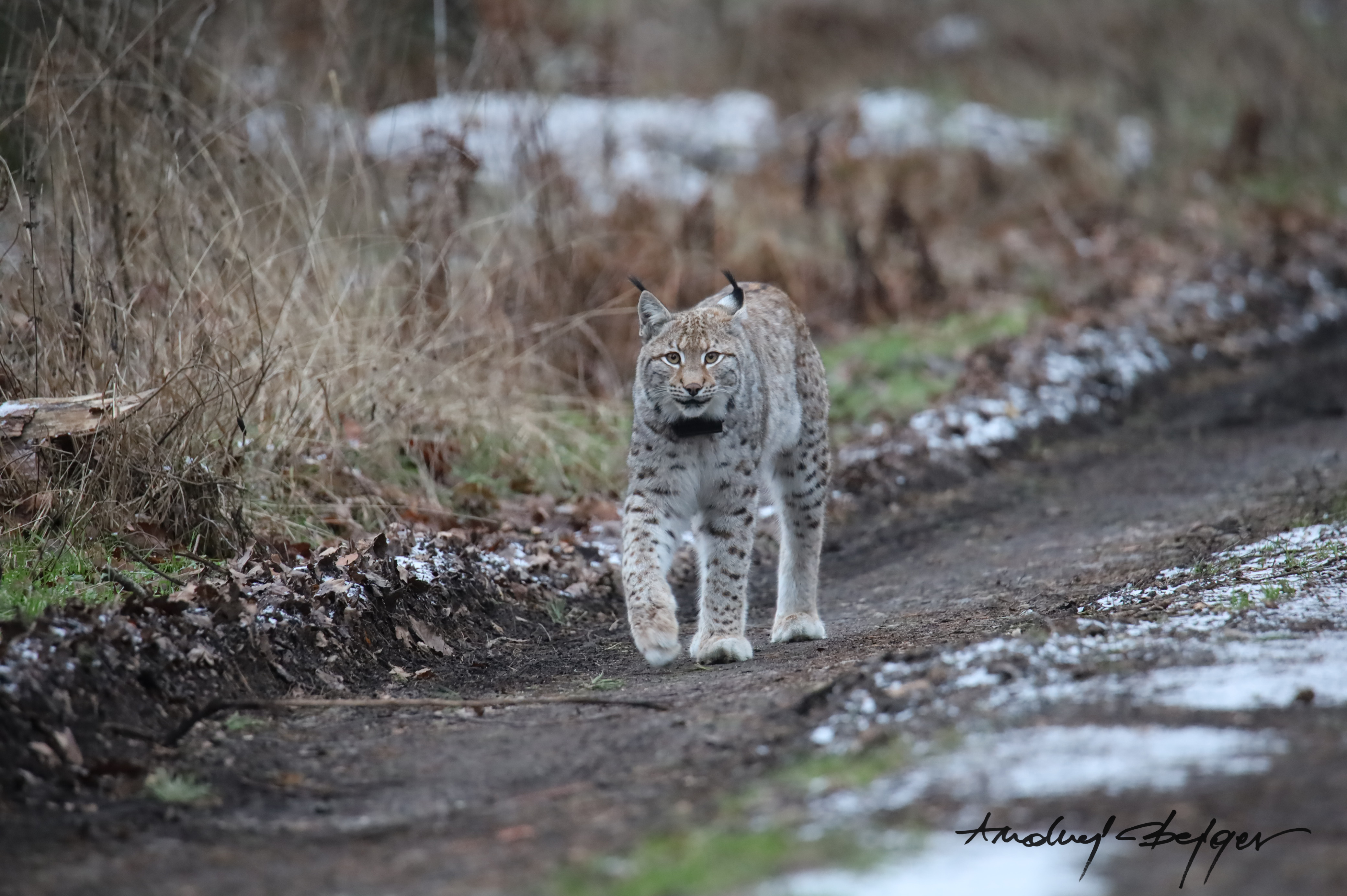
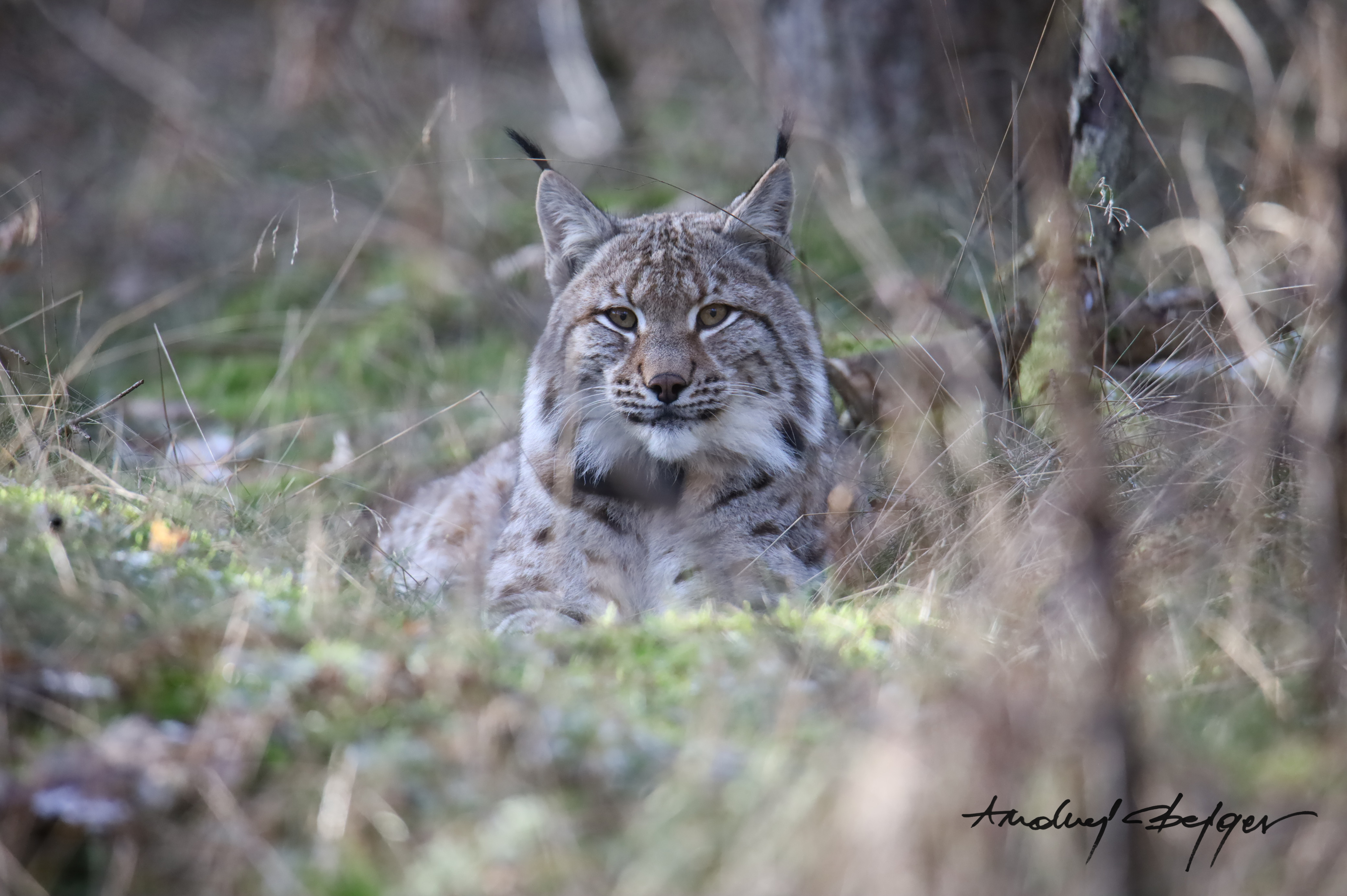
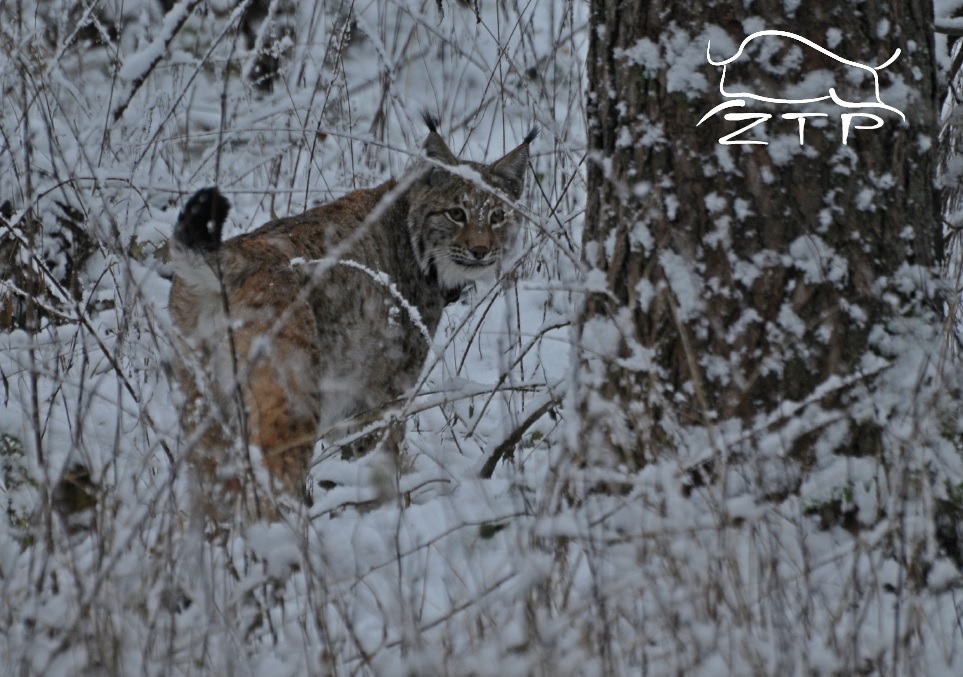
We are talking about Rejent, who became famous in recent days for his walk through the suburbs of Łódź. Rejent arrived in Poland on November 17 of last year from an Austrian breeding center in Mautern as part of Project POIS.02.04.00-00-0143/16 „Return of the lynx to northwestern Poland.” Like every lynx brought in, Rejent was genetically tested for belonging to the Baltic population, and since he is with us, the test result was, of course, positive.
ZTP – West Pomeranian Nature Society – Dzika Zagroda released him into the wild after quarantine and adaptation. Rejent received a telemetry collar with a GPS transmitter. This male, after being released from the enclosure in the Mirosławiec Forest District, occupied a territory between the towns of Mirosławiec – Drawsko Pomorskie – Czaplinek, where he stayed until April of this year.
He was most likely displaced from this territory by another male lynx . He moved east and in mid-April of this year occupied a new territory in the Tuchola Forest between Szczecinek, Tuchola, and Bytów. In mid-October, he began his journey south. This is the first such long journey for a male in several years. Since more females have appeared in the reintroduction area, males are reluctant to leave West Pomerania.
Thanks to the telemetry collar, we can track his movements. We know that on November 8, he reached the vicinity of Łódź and evidently got lost on the outskirts of the city. Today, Rejent is already several kilometers south of Łódź.
Rejent has been free for a year, is a very skilled hunter, and is in excellent condition. His collar has been working on him for a year and will continue to work for at least another 6 months.
We would like to remind you that the worst thing that can happen to Rejent is persistent attempts to approach him. A lynx born in captivity can easily become tamed again. For the sake of the animal, we ask you to maintain your distance. Lynxes released into the wild during the project are meant to form the foundation of a completely wild population. We expect Rejent, as well as all other lynxes released by us, to produce offspring born in nature. This is the primary goal of our reintroduction project. If Rejent, continuously observed and tracked, feels that he is not in danger from humans, he may want to reduce the distance, and then the option of returning to captivity becomes inevitable. Surely each of you would like to enjoy the lasting presence of lynxes in nature, so let’s remember that each released lynx is a chance for more free lynxes, and every capture of such an individual is a significant loss for nature.
photo: R. Czerniawska
photo: A. Bejger
 Polish
  English